
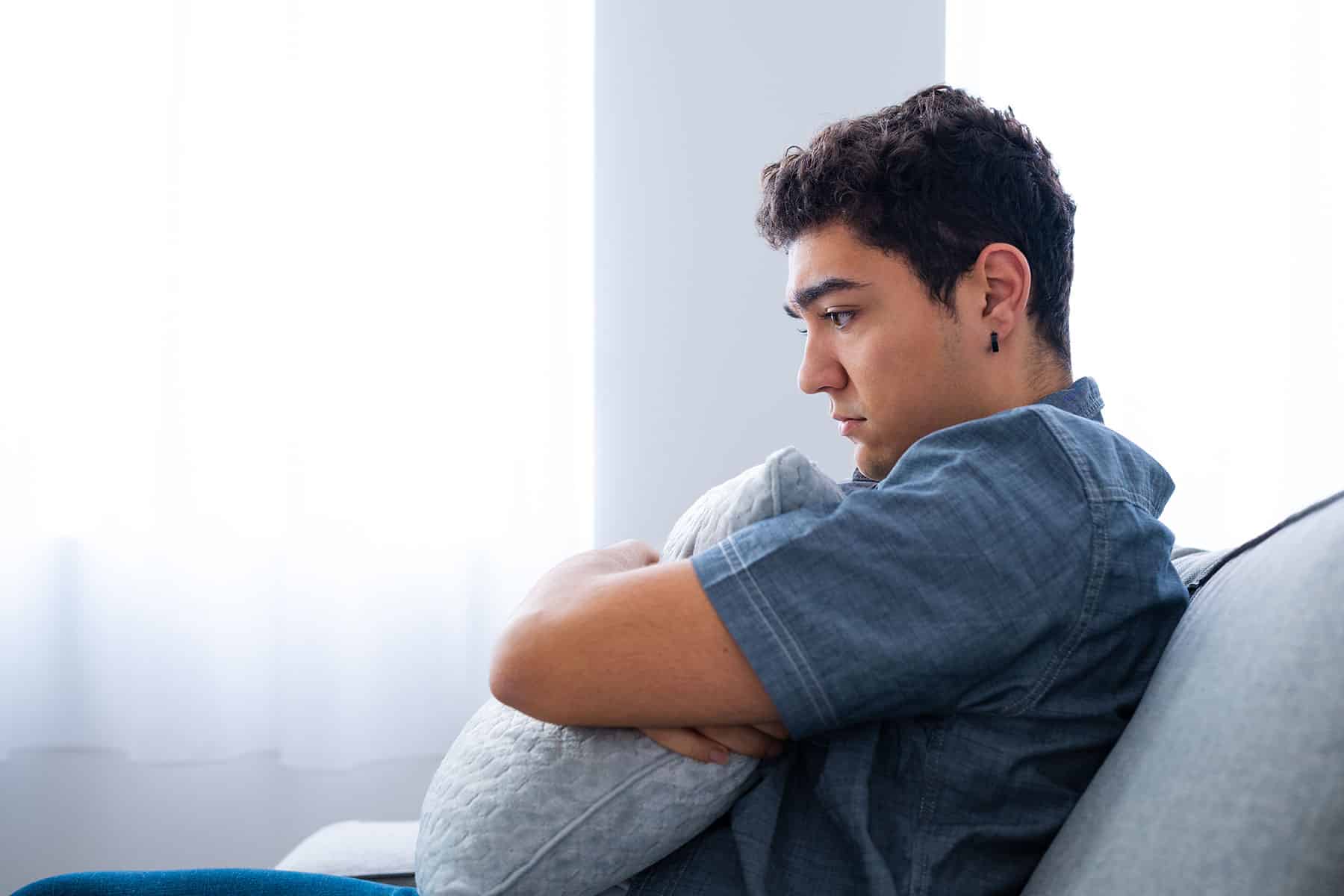
As a parent, watching your teenager struggle with overwhelming stress can leave you feeling deeply helpless. Adolescence has always been a challenging transitional phase, but today’s teenagers face an unprecedented storm of academic competition, intense social expectations, and the non-stop noise of the digital world.
While every teen experiences occasional stress over finals or social drama, a growing number of adolescents are dealing with something much heavier: a clinical anxiety disorder.
When worry transforms from a temporary phase into a persistent obstacle, it impacts your entire household. For families navigating these challenges, learning how to recognize the distinct signs of anxiety in teens is the critical first step toward getting them the support they deserve.
Let’s explore the core symptoms of teenage anxiety, how it manifests differently across genders, and how evidence-based treatment can help your child reclaim their peace of mind.
Teen Anxiety vs. Normal Teenage Moodiness: How to Tell the Difference
It is entirely normal for teenagers to experience emotional ups and downs. Puberty, academic pressure, and navigating changing friendships naturally cause stress. However, as a parent, it can be difficult to discern where normal teenage moodiness ends and a clinical anxiety disorder begins.
The primary difference lies in duration, severity, and disruption. While moodiness comes and goes, anxiety is persistent and actively interferes with a teenager’s ability to function in daily life.
To help you identify what your child is experiencing, consider this comparison:
| Normal Teenage Behavior | Signs of a Teen Anxiety Disorder |
| Occasional venting, irritability, or mood swings after a tough day at school. | Persistent irritability or explosive anger over minor issues, driven by a constant state of internal tension. |
| Asking for more privacy or preferring to spend more time with friends than family. | Severe social withdrawal, including avoiding friends, dropping out of favorite extracurricular activities, and isolating in their room. |
| Nervousness or a “butterflies” feeling before a major exam, sports game, or school dance. | Chronic school avoidance, refusal to attend classes, or a dramatic, unexplained drop in academic performance. |
| Complaining of being tired after staying up late studying or playing video games. | Frequent physical complaints (chronic headaches, stomachaches, nausea, or exhaustion) with no clear medical cause, especially on school mornings. |
How Anxiety Symptoms Differ in Teen Girls vs. Teen Boys
Anxiety does not look the same in every adolescent. Because of societal expectations, biological differences, and differing coping mechanisms, teen girls and teen boys often manifest their internal distress in fundamentally different ways. Recognizing these gender-specific nuances allows parents and educators to catch the warning signs earlier.
Anxiety in Teen Girls: The Internalized Struggle
Teen girls are statistically more likely to internalize their anxiety. Rather than acting out, they often turn their stress inward, making their symptoms quieter and sometimes harder to spot initially. Common presentations include:
- Perfectionism and Overachieving: An intense, paralyzing fear of failure or judgment that drives them to over-study, obsess over grades, or become devastated by minor mistakes.
- Reassurance-Seeking: Constantly asking parents or peers for validation (“Are you mad at me?”, “Did I do this right?”).
- Fixation on Social Media & Comparison: Deep anxiety rooted in digital peer perception, body image, and a fear of missing out (FOMO).
Anxiety in Teen Boys: The Externalized Struggle
Teen boys are culturally conditioned to mask vulnerability, which frequently causes their anxiety to be externalized as behavioral problems. Parents often mistake a boy’s anxiety for defiance or a bad attitude. Common presentations include:
- Irritability and Aggression: Instead of expressing fear or worry, anxious boys frequently present as angry, defensive, or easily agitated.
- Defiance and Rule-Breaking: Refusing to comply with requests at home or school as a subconscious defense mechanism to avoid anxiety-inducing situations.
- Escapism Through Technology: Using excessive video gaming, screen time, or substance use as a deliberate strategy to numb their racing thoughts and avoid the physical discomfort of anxiety.
General Signs and Symptoms of Anxiety in Teens
A variety of signs and symptoms could indicate if your teenager is experiencing more than normal anxiety levels. Remaining vigilant for these indicators can help ensure your teen gets the help they need and deserve before it escalates into long-term mental and physical health problems.
1. Excessive Worry
Teens with anxiety often experience excessive worry about everyday situations, such as school, friendships, or family issues. This excessive worry may arise from a teenager’s fear of failure, judgment, or loss of control. If left unaddressed, excessive worry can lead to a constant state of stress, negatively impacting a teenager’s mental and physical well-being.
2. Difficulty Concentrating
Anxiety can make it difficult for teenagers to focus on tasks, leading to poor academic performance and difficulties in daily life. Anxiety can cause intrusive thoughts that interrupt a teenager’s ability to concentrate. Struggling with concentration can lead to a decline in a teenager’s self-esteem, exacerbating their anxiety.
3. Irritability
Teens with anxiety may be easily irritated, leading to conflicts with friends and family members. Anxiety can cause feelings of tension and uneasiness, making a teenager more prone to irritability. Increased irritability can strain relationships, leading to feelings of isolation and worsening anxiety.
4. Physical Symptoms
Anxiety can manifest as physical symptoms such as:
- Headaches
- Stomachaches
- Rapid heartbeat
- Fatigue
The body’s stress response can cause these physical symptoms as a reaction to anxiety. Persistent physical symptoms can negatively impact a teenager’s overall health and well-being.
5. Avoidance
Teens with anxiety may avoid situations, activities, or people that trigger their anxiety. Avoidance is a coping mechanism used to minimize exposure to anxiety-provoking situations. Avoidance can limit a teenager’s opportunities for growth, social connections, and personal development.
Effective Treatments for Anxiety in Teens
There are several effective treatment options available for teenagers struggling with panic attack symptoms or other anxiety disorders, including:
Cognitive-Behavioral Therapy (CBT)
CBT is a form of therapy that focuses on identifying and changing negative thought patterns and behaviors. By helping teenagers understand the relationship between their thoughts, feelings, and actions, CBT can help them develop healthier coping strategies to manage their anxiety.
Medication
In some cases, medication may be prescribed to help manage anxiety symptoms. Selective serotonin reuptake inhibitors (SSRIs) and benzodiazepines are two common medicines used to treat anxiety. It’s important to consult with a mental health professional before starting any medication.
Group Therapy
Group therapy provides a supportive environment for teenagers to discuss their experiences with anxiety and learn from others who face similar challenges. Group therapy can help teens develop new coping skills and build a support network.
A Parent’s Action Plan: What to Do (And What Not to Do) Right Now
Discovering that your teen is struggling with anxiety can feel overwhelming, but your reaction at home plays a vital role in their recovery. Here is a practical roadmap for supporting your teen effectively:
What to Do:
- Validate Their Emotions: Use phrases like, “I can see how overwhelming this is for you,” rather than trying to minimize the issue. Let them know it is okay to feel scared or anxious.
- Keep Communication Low-Pressure: Avoid intense, eye-to-eye interrogations. Instead, talk while driving in the car, cooking dinner, or walking the dog. Lowering the pressure makes teens more likely to open up.
- Encourage Healthy Routines: Anxiety thrives in chaos. Help them maintain consistent sleep schedules, balanced nutrition, and regular physical movement, which naturally help regulate the body’s nervous system.
What Not to Do:
- Don’t Enable Complete Avoidance: While it is tempting to let an anxious teen stay home from school or skip a social event to protect them from distress, reinforcing avoidance actually strengthens the anxiety long-term. Instead, practice small, manageable steps toward facing the fear.
- Don’t Tell Them to “Just Calm Down”: If they could calm down, they would. Phrases like this minimize their genuine neurological and physical experience, causing them to feel misunderstood and isolated.
- Don’t Try to “Fix” Every Problem: Sometimes your teen just needs to be heard. Resist the urge to immediately offer solutions; instead, ask, “Do you want me to help you brainstorm a solution, or do you just need me to listen right now?”
When Is It Time to Seek Professional Help for Teen Anxiety?
It can be difficult to know when to step in and seek outside support for your child. As a general rule, it is time to consult a mental health professional if your teenager’s anxiety has persisted for more than a few weeks and is actively disrupting their daily life.
Watch for these specific tipping points that indicate a need for professional clinical intervention:
- School Disruption: Frequent school refusal, a sudden and dramatic drop in grades, or an inability to concentrate on homework.
- Severe Physical Toll: Persistent physical complaints—such as chronic headaches, nausea, or sleep disturbances—that have no underlying medical cause.
- Extreme Isolation: Withdrawing from long-term friend groups, abandoning favorite hobbies, or spending excessive amounts of time isolated in their room to avoid the outside world.
- Overwhelming Panic: Experiencing frequent panic attacks or demonstrating a level of worry that prevents them from completing basic, routine tasks.
- Unhealthy Coping Mechanisms: Turning to self-harm, extreme restriction of food, or substance use as a way to numb or manage their internal distress.
Adolescent anxiety is highly treatable, but it rarely resolves on its own. Left unaddressed, chronic anxiety can spiral into deeper depression or follow a teenager into adulthood, impacting their future relationships and career.
Seeking early professional help—such as an Intensive Outpatient Program (IOP), group therapy, or individual Cognitive-Behavioral Therapy (CBT)—does not mean you have failed as a parent. On the contrary, it provides your teen with an objective, expert support system and equips them with the concrete, evidence-based coping mechanisms they need to navigate life’s challenges with confidence.
The Long-Term Consequences of Untreated Anxiety in Teens
If left untreated, anxiety in teen girls and boys can worsen over time and lead to several mental and physical health issues in adulthood. Chronic anxiety can contribute to the development of depression, substance abuse, and even chronic pain. Furthermore, untreated anxiety can negatively impact a person’s social relationships, career, and overall quality of life.
It’s crucial for teenagers, parents, guardians, and teachers to recognize the signs of anxiety and seek immediate help. Early intervention can significantly impact teenagers’ lives, helping them develop healthy coping mechanisms and lead a fulfilling, anxiety-free future.
Frequently Asked Questions About Teen Anxiety
Can teen anxiety go away on its own?
While mild, situational stress (like finals week) resolves naturally, a true anxiety disorder rarely goes away without targeted intervention. Left untreated, teenagers typically develop deeply ingrained, unhealthy coping mechanisms—such as avoidance or substance use—that carry over into adulthood. Early treatment teaches them how to manage their nervous system effectively.
What does a teenage panic attack look like?
A panic attack is an abrupt surge of intense fear that peaks within minutes. Physical symptoms include a racing heart, sweating, shaking, shortness of breath, chest pain, and dizziness. Behaviorally, a teen experiencing a panic attack may suddenly flee a room, become hyperventilated, express a fear of dying, or completely freeze up.
How long does Cognitive Behavioral Therapy (CBT) take to work for a teenager?
CBT is a structured, goal-oriented form of therapy. While every teenager’s journey is unique, many adolescents begin to notice a shift in their thought patterns and a reduction in physical anxiety symptoms within 12 to 20 weekly sessions, provided they practice the skills outside of the therapy room.
Find Anxiety Treatment for Your Teen Today
Imagine by Northpoint offers a variety of services tailored to the needs of teenagers experiencing anxiety. With a team of dedicated professionals, Imagine Boise provides individual and group therapy and medication management when necessary. Their comprehensive approach ensures that each teenager receives the support they need to overcome anxiety.
Contact us today to learn more about our anxiety treatment programs for teens.