
Key Takeaways:
- Art therapy combines creative activities with mental health treatment.
- Teens don’t need artistic experience or skill to participate.
- Artwork can make difficult emotions easier to express and discuss.
- Sessions may involve drawing, painting, clay, collage, or other materials.
- Art therapy may support emotional regulation, self-awareness, confidence, and coping as part of a larger treatment program.
Teenagers don’t always have the words to explain what they’re feeling. An emotion may be too intense, confusing, private, or complicated to describe in a conversation.
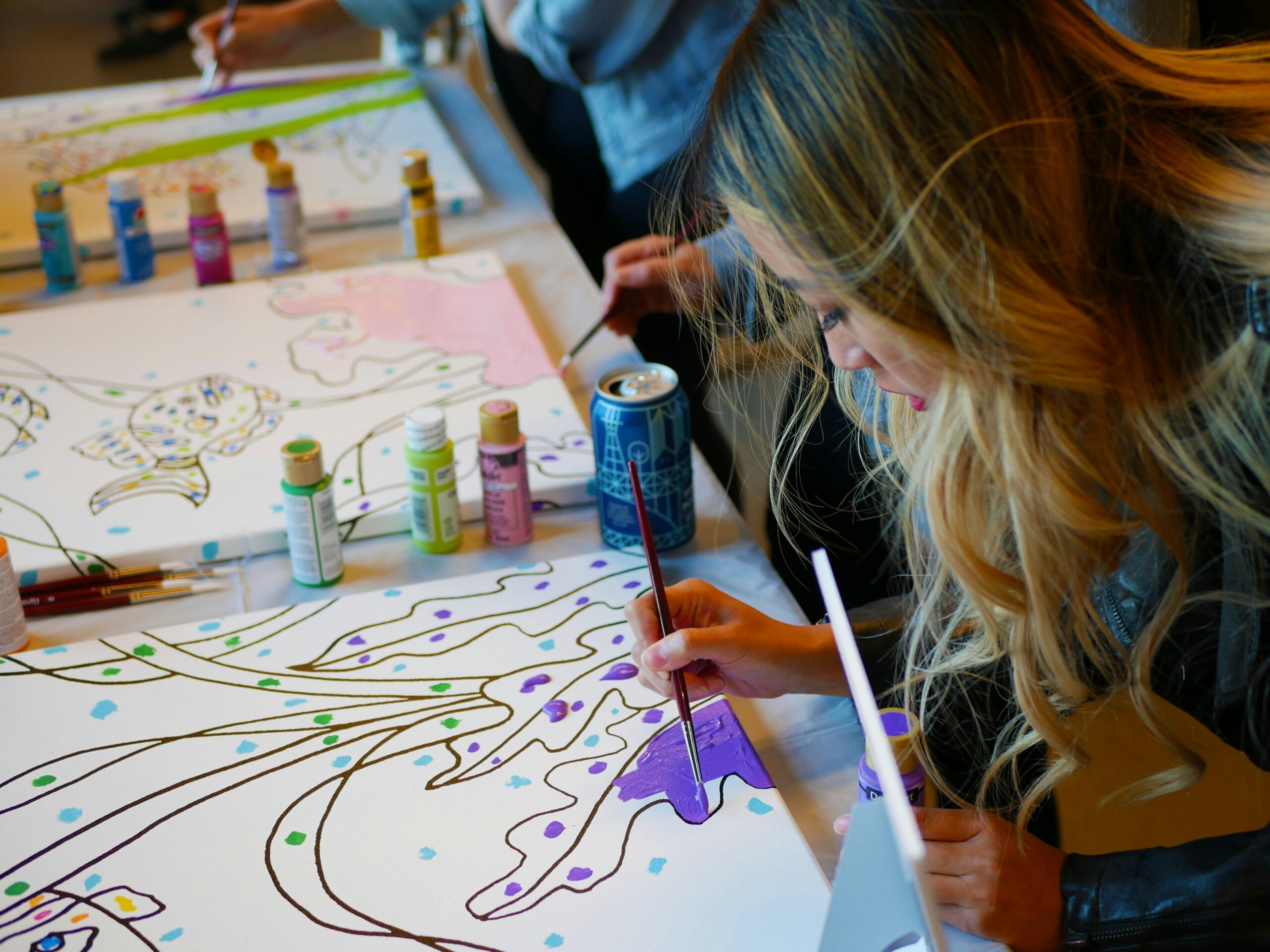
Art therapy gives teens another way to communicate. Through drawing, painting, collage, sculpture, and other creative activities, they can begin expressing what’s happening internally without needing to explain everything at once.
The goal isn’t to create an impressive piece of art. It’s to use the creative process to understand emotions, reduce stress, practice coping skills, and become more comfortable participating in treatment.
What Is Art Therapy?
Art therapy is one of several therapeutic activities for teens that can make treatment feel more engaging and offer different ways to reflect, communicate, and build emotional skills.
A trained art therapist uses creative activities to help a person work toward specific emotional, behavioral, or relational goals. The activity is selected and guided based on what the teen is experiencing and what the care team is working to address.
Drawing and other forms of creative play have long been used in child and adolescent psychotherapy. The American Academy of Child and Adolescent Psychiatry explains that talking, drawing, building, playing, and pretending can help young people share their feelings and work through problems.
Why Can Art Therapy Work Well for Teens?
Art therapy can make mental health treatment feel more approachable by giving teens another way to communicate, reflect, and build useful emotional skills.
Takes Some of the Pressure Off Talking
Some teens find it difficult to explain their feelings through conversation alone. They may worry about being misunderstood, saying the wrong thing, or sharing more than they’re ready to discuss.
Creating art gives them something else to focus on during the session. Thoughts and emotions can come out through colors, images, symbols, or materials before the teen is ready to put them into words.
Makes Emotions Easier to See
Feelings can be difficult to understand when several are happening at once. Art can turn an internal experience into something a teen can look at, change, and discuss.
A drawing might help a teen notice that anger is covering up fear. A collage may reveal conflicting feelings about school, family, friendships, or identity. This can strengthen the self-awareness teens need to recognize patterns and communicate what’s happening.
Offers a Hands-On Way to Practice Regulation
Art-making can slow the pace of a session and bring attention back to the present moment. Repetitive movements, sensory materials, and focused creative tasks may help a teen feel more settled when stress is building.
The process can also strengthen emotional regulation skills. A teen may practice tolerating frustration, changing direction when something doesn’t work, or pausing before reacting.
Gives Teens More Control Over the Process
Direct questions can sometimes make a teen feel exposed or put on the spot. Art therapy allows the teen to decide what to create, what it means, and how much they want to share.
They may talk about the artwork immediately, return to it later, or keep certain parts private. That sense of choice can help build trust and make it easier to participate in treatment over time.
Fits the Way Many Teens Naturally Communicate
Teens often use music, images, clothing, videos, and other creative choices to express parts of themselves. Art therapy brings that familiar form of communication into a structured treatment setting.
It can be especially helpful for teens who think visually, prefer hands-on activities, or feel more comfortable showing an experience before talking about it.
What Happens in an Art Therapy Session?
Art therapy sessions can look different depending on the teen, therapist, treatment setting, and goals. Some activities are structured, while others give the teen more freedom to decide what to create.
Choosing a Material or Activity
The therapist may offer materials such as:
- Colored pencils or markers
- Paint
- Clay
- Collage materials
- Chalk or pastels
- Journaling supplies
- Photography
- Digital art tools
- Found or natural objects
A teen might be invited to draw an emotion, create an image of a safe place, design a mask, make a collage about identity, or use colors and shapes to show how stress feels.
Other sessions may be more open-ended. The therapist might allow the teen to choose the materials and follow whatever ideas come up during the process.
Creating Without Being Graded
There’s no correct way to complete an art therapy activity. The artwork doesn’t need to look realistic, polished, or attractive.
A therapist also won’t grade the work or assume that every color, shape, or image has one fixed meaning. The teen remains the expert on what the artwork means to them.
This matters because many teens become used to having their performance evaluated. Art therapy can create space to experiment, make changes, and express something without being judged on the final result.
Talking About the Experience
Conversation may happen while the teen is creating, after the activity, or not until a later session.
The therapist might ask:
- What was it like to make this?
- Which part stands out most?
- Did anything unexpected come up?
- What feeling does this image represent?
- Is there anything the artwork needs?
- Does this connect with something happening outside treatment?
A teen decides how much to share. The artwork can begin a conversation, but it doesn’t force one.
Connecting Art to Daily Life
The therapist may help the teen connect the activity to a treatment goal.
For example, a drawing about anger could lead to a discussion about physical warning signs that appear before an outburst. A collage about identity might help a teen notice which parts of themselves feel authentic and which feel shaped by outside pressure.
The session can then move toward practical skills, such as recognizing triggers, communicating needs, tolerating distress, or finding safer ways to release emotion.
What Are the Benefits of Art Therapy for Teens?
No therapy works exactly the same way for every person. The potential value of art therapy often comes from giving teens more than one way to participate in treatment.
Expressing Feelings That Are Hard to Explain
Some emotions don’t arrive in complete sentences. A teen might know that something feels wrong without knowing whether the feeling is sadness, fear, anger, embarrassment, grief, or a mixture of several emotions.
Colors, images, symbols, and textures can help make that internal experience more concrete. Once a feeling has been placed on paper or shaped with clay, it may become easier to observe and eventually discuss.
Creating Some Distance From Intense Emotions
Talking directly about a painful event can sometimes feel overwhelming. Art allows the experience to be represented outside the body.
A teen can look at an image, change it, cover part of it, add to it, or put it away. That physical distance may provide a greater sense of choice and control during difficult therapeutic work.
Building Emotional Awareness
Art-making encourages teens to slow down and notice what’s happening internally.
They may begin recognizing that certain colors feel connected to anger, that their drawings become more crowded when they’re anxious, or that working with clay helps release tension. These observations can strengthen the ability to identify emotions before they become overwhelming.
Practicing Emotional Regulation
The creative process can give teens a focused activity during periods of stress. Repetitive movements, sensory materials, and attention to the present task may feel grounding.
Art therapy can also help teens test different responses to frustration. They may practice pausing when something doesn’t turn out as planned, trying another approach, asking for help, or accepting that an imperfect result can still have value.
Developing Healthier Coping Skills
Art can become one of several tools a teen uses to manage difficult moments.
A teen may learn that sketching helps organize racing thoughts, working with clay provides a physical outlet for tension, or creating a visual journal makes emotional patterns easier to notice.
The goal isn’t to avoid uncomfortable feelings. It’s to develop safer and more useful ways to respond to them.
Strengthening Identity and Self-Understanding
Teenagers are still learning who they are, what matters to them, and how they want to relate to the world.
Creative activities can give them space to consider their values, relationships, culture, interests, boundaries, strengths, gender, sexuality, and hopes for the future. This work can happen without pressure to reach an immediate conclusion or choose a permanent label.
Making Treatment More Approachable
Sitting in a room and talking for an entire session can feel intimidating, especially when a teen didn’t choose to begin treatment.
Art therapy offers a more active way to participate. Having something to do with the hands can make the setting feel less formal and give the teen time to become comfortable with the therapist.
It may also help care teams understand a teen whose needs aren’t fully captured through conversation alone.
Does a Teen Have to Be Good at Art?
Artistic ability isn’t required.
The American Art Therapy Association emphasizes that a person doesn’t have to be an artist or consider themselves creative to participate. Art therapists are trained to select materials and activities based on the person’s therapeutic needs, not their technical skill.
A stick figure, abstract shape, torn-paper collage, or block of color can be just as useful as a detailed drawing. The process and the teen’s experience matter more than what the finished piece looks like.
A teen who says, “I’m bad at art,” may need reassurance that there’s nothing to be good or bad at during the session.
What Can Art Therapy Help Address?
Art therapy may be included in care for teens experiencing:
- Anxiety or persistent stress
- Depression
- Grief and loss
- Trauma
- Low self-esteem
- Strong or rapidly changing emotions
- Family or relationship conflict
- Difficulty communicating
- Behavioral concerns
- Substance use
- Questions about identity
- Adjustment to illness or major life changes
It may also be useful for teens who tend to shut down during conversations or who understand their experiences more easily through images, movement, or hands-on activities.
Art therapy doesn’t replace every other form of care. Depending on the teen’s needs, it may be combined with individual therapy, group therapy, family therapy, cognitive behavioral therapy, dialectical behavior therapy, medication management, or another treatment approach.
What Does the Research Say About Art Therapy for Teens?
Research into art therapy for children and adolescents is encouraging, but it’s still developing.
A systematic review examined 37 studies involving young people with different psychosocial concerns. The studies used a wide range of materials, activities, levels of structure, and therapist approaches. The review found positive effects across several approaches, but the researchers also noted that more detailed studies are needed to determine which parts of art therapy are most helpful for specific concerns.
A 2025 systematic review and meta-analysis looked at 12 controlled trials involving 677 children and adolescents. Participants who received art-based interventions experienced a greater reduction in depressive symptoms than the control groups. However, the researchers cautioned that the studies were small, varied widely, and had methodological limitations.
The most accurate conclusion is that art therapy can be a valuable part of treatment for some teens. It isn’t a guaranteed solution, and researchers still need stronger studies to understand who benefits most and how long the effects last.
Is Art Therapy the Same as Making Art at Home?
Making art independently can be relaxing, meaningful, and emotionally helpful. It may give a teen a healthy hobby or a private way to process the day.
However, making art at home isn’t the same as participating in art therapy.
Art therapy takes place within a therapeutic relationship and is connected to treatment goals. Qualified art therapists have graduate-level education in mental health, art therapy, assessment, human development, ethics, and clinical practice. Common professional credentials include ATR for a registered art therapist and ATR-BC for a board-certified art therapist.
Independent art-making can still complement treatment. A therapist may even suggest certain creative exercises between sessions when they fit the teen’s care plan.
How Can Parents Support a Teen’s Interest in Art Therapy?
Parents and caregivers don’t need to analyze the artwork or ask for a detailed explanation after every session.
Helpful responses may include:
- Showing interest without pressing for private details
- Providing basic art supplies at home
- Avoiding criticism or comparisons
- Allowing the teen to decide whether artwork is shared
- Praising effort and openness rather than artistic talent
- Asking the treatment team how creative activities fit into care
Privacy can be especially important. Some artwork may feel deeply personal, even when it looks simple to someone else.
A teen may choose to display a piece, discuss it, throw it away, change it, or keep it private. Respecting that choice can reinforce the safety and control that art therapy is meant to provide.
How Does Art Therapy Fit Into Teen Mental Health Treatment?
Art therapy is often most useful when it works alongside other parts of a coordinated treatment plan.
At Imagine by Northpoint, creative therapies such as art and music are used alongside evidence-based care, like CBT and other therapies. These activities can help teens express emotions, regulate stress, remain present, and participate more fully in treatment.
Treatment may also include individual, group, and family therapy, as well as approaches such as cognitive behavioral therapy and dialectical behavior therapy. The combination is based on each teen’s symptoms, needs, strengths, and treatment goals.
Other creative approaches may also serve a similar purpose. Music therapy activities for teens can provide another way to express emotions, practice coping skills, and participate actively in treatment.
Frequently Asked Questions About Art Therapy for Teens
1. What is art therapy for teens?
Art therapy is a form of mental health treatment that uses drawing, painting, collage, clay, and other creative activities to help teens express emotions, build coping skills, and better understand their experiences.
It’s guided by a trained professional and connected to specific treatment goals. It’s different from taking an art class or making art for fun.
2. What happens during a teen art therapy session?
A therapist may invite a teen to draw an emotion, create a collage about identity, make an image of a safe place, or work with clay to express stress or tension.
The teen may talk while creating, discuss the artwork afterward, or take more time before sharing what it means. There’s no single correct way to participate.
3. Does a teen have to be good at art?
No. Art therapy doesn’t require artistic talent or experience.
The goal is to use the creative process to communicate, reflect, and practice emotional skills. A simple shape, color, or image can be just as meaningful as a detailed piece of artwork.
4. What mental health concerns can art therapy help with?
Art therapy may be used as part of treatment for anxiety, depression, trauma, grief, low self-esteem, behavioral concerns, family conflict, substance use, and difficulty expressing emotions.
It may be especially helpful for teens who feel uncomfortable answering direct questions or talking for an entire therapy session.
5. Can art therapy help teens manage anxiety?
Art therapy may help some teens slow down, focus on the present moment, and express anxious thoughts that are difficult to explain.
Creative activities can also become part of a teen’s broader set of coping skills. However, art therapy isn’t a replacement for a complete mental health evaluation or other recommended treatment.
6. Is art therapy used by itself?
Art therapy is usually one part of a broader treatment plan. It may be combined with individual therapy, group therapy, family therapy, medication management, or approaches such as cognitive behavioral therapy and dialectical behavior therapy.
The right combination depends on the teen’s symptoms, needs, and treatment goals.
7. How can parents support a teen in art therapy?
Parents can show interest without asking the teen to explain or share every piece of artwork. It also helps to avoid judging the result or focusing on artistic ability.
Respecting the teen’s privacy and allowing them to decide what they want to share can help preserve the sense of safety and control created during treatment.
Give Your Teen Another Way to Feel Heard
At Imagine by Northpoint, we understand that teens don’t always have the words to explain what they’re feeling. Art therapy can give them another way to express emotions, build self-awareness, and develop healthier coping skills as part of a broader mental health treatment plan.
By working with trained mental health professionals, teens can use creative activities to process difficult experiences and participate more comfortably in treatment.
Contact us today to learn more about how our teen mental health programs and therapies can help your teen communicate, cope, and feel more supported.