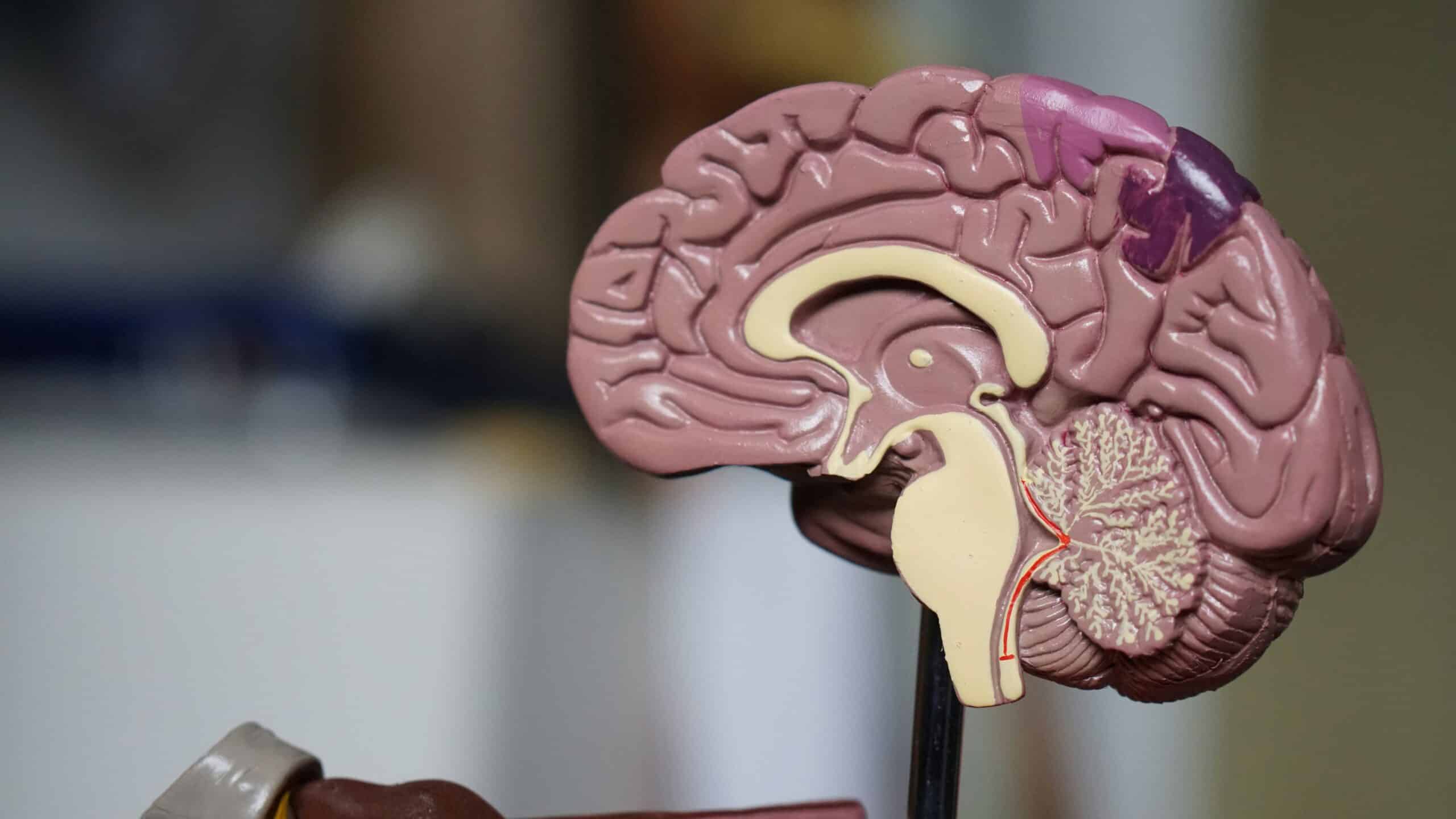
Underage drinking affects the teenage brain most in the regions still under construction. Mainly the prefrontal cortex, which controls decision-making and impulse control, and the hippocampus, which handles memory and learning. Because these areas keep developing into the mid-20s, drinking during the teen years can cause lasting problems with memory, judgment, mood, and sleep, and can even change the brain’s structure. The encouraging news is that much of this damage can reverse with early intervention, while the brain is still growing.
Teens already have plenty to navigate — school, low self-esteem, friendships — and alcohol only makes those years harder on a developing brain. Below, we break down exactly how underage drinking affects the brain and what it means as your teen grows into adulthood, the warning signs of teen drinking to watch for, and when it may be time to consider professional substance use treatment.
Key Takeaways:
- Alcohol hits two still-developing brain regions hardest — the prefrontal cortex (decisions and impulse control) and the hippocampus (memory and learning).
- Teen drinking can have lasting effects: memory problems, poorer decision-making, higher mental health risk, changes in brain structure, and disrupted sleep — often carrying into adulthood.
- The damage is often reversible, especially with early intervention and stopping while the brain is still developing.
- Warning signs include new secrecy, mood swings, slipping grades, a new friend group that drinks, and physical signs like bloodshot eyes or the smell of alcohol.
- Early, teen-specific support gives the brain the best chance to recover.
Which Part of the Brain is Most Affected by Underage Drinking?
When teenagers drink alcohol, it affects parts of the brain that are still developing. Two critical areas impacted are the prefrontal cortex and the hippocampus, which help teens navigate life and make responsible choices as adults.
How Alcohol Hits the Developing Brain
Runs decision-making, impulse control, and thinking ahead. Alcohol slows its development, making impulsive, in-the-moment choices more likely — effects that can linger into adulthood.
Handles memory and learning. Alcohol disrupts it, making it harder to retain new information and form memories while the brain is still growing.
Prefrontal Cortex
This part of the brain helps teens make decisions and control their impulses. It’s also responsible for thinking ahead and considering the consequences of their actions. Since it’s still developing during the teenage years, drinking can really mess with these abilities. Teens might find it harder to make good decisions, and they’re more likely to act without thinking, which can lead to risky behavior.
Hippocampus
The hippocampus is key for memory and learning. When alcohol affects this area, it can make it harder for teens to remember things or pick up new information. This is a big deal because their brains are still growing, and alcohol can slow that process down. It means they may have trouble in high school or forget important things as they continue to grow.
Effects of Teenage Drinking On the Brain
When teens drink, the effects don’t just go away after the alcohol leaves their system. The brain is still developing, so alcohol can cause lasting damage. Here’s how it can affect them in the long run:
Memory Issues
Because of the way drinking as a teen impacts the still-developing hippocampus, it can become harder to remember things, whether it’s stuff they learn in class or simple everyday things. This doesn’t necessarily mean they’ll have major memory problems, but it can become an inconvenience into adulthood.
For example, a young adult who drank as a teen might find it more difficult to remember details from meetings at work or forget something important they talked about with a friend. These memory issues might show up as small gaps in recall that could make daily tasks a bit more challenging as they grow older.
Poor Decision-Making
The prefrontal cortex, the part of the brain that helps with decision-making, doesn’t fully develop until the mid-20s. When teens drink, it slows this development, which can cause problems later in life. This can show up as impulsive or risky behavior that continues into adulthood. For example, a teenager who drank during high school might later struggle with big decisions, like choosing a college or job, managing finances, or building healthy relationships.
Their decision-making process may still be influenced by the impulsiveness caused by alcohol use, leading them to make choices without considering long-term consequences. This could mean going into debt, choosing toxic relationships, or making decisions that harm their future.
Higher Risk for Mental Health Problems
Teens who drink are more likely to develop mental health issues like depression, anxiety, and mood disorders. Alcohol interferes with brain chemicals that regulate mood, which makes it harder to cope with stress.
As a result, someone who drank in their teenage years may continue to struggle with emotional regulation well into adulthood. They might turn to alcohol or other substances as a way to cope with feelings of sadness, stress, or anxiety, creating a cycle that’s hard to break.
Alcohol can lead to more severe mental health challenges down the road, like chronic anxiety, depression, or even more serious conditions like PTSD. Mental health issues can affect their ability to maintain healthy relationships, hold down a job, or enjoy life’s simple pleasures.
Changes in Brain Structure
Drinking alcohol during the teenage years can cause lasting changes in brain structure that affect thinking, memory, and behavior. This means the brain may not be as adaptable or flexible, making it harder to learn new things, adapt to change, or cope with stress. As an adult, someone who drank heavily as a teen might find it harder to learn new skills or manage the stress of work or personal challenges.
For example, a person who drank regularly in their teen years might struggle with staying focused in a fast-paced job or might find it difficult to deal with major life changes, like moving to a new city or adjusting to new responsibilities. These brain changes can make it feel like they’re constantly a step behind others who didn’t experience these effects.
Sleep Problems
Getting enough quality sleep is essential for the brain to function properly. While the effects of alcohol might make it easier to fall asleep quickly, it reduces the amount of REM sleep, which is the deep, restorative sleep needed to recharge and refresh.
While not everyone who drank as a teen will have long-term sleep issues, some might still struggle with things like falling asleep or staying asleep as young adults. This can leave them feeling tired and sluggish, which can make it harder to stay focused at work or school, manage stress, or feel their best in daily life.
Sleep problems can also affect their mood, making them feel more irritable or emotionally drained. These small issues with sleep might not seem huge, but they can add up and make it harder to manage everything going on in life.
Are the Effects of Teen Drinking on the Brain Reversible?
For the most part, yes, the effects of teen drinking on the brain are reversible — especially when there’s early intervention and if the teen stops drinking while their brain is still developing. The brain continues to grow and change throughout the teenage years and into the early 20s, so giving it time to recover after alcohol use can help it bounce back in many cases.
However, severe damage caused by heavy drinking may be a different story. While some of that damage can be reversed with time, more research is needed to determine how much. Experts agree that heavy drinking can lead to lasting changes in brain structure and function, and the more someone drinks, the harder it may be for the brain to fully recover.
Still, the good news is that the brain has a remarkable ability to heal itself. With abstinence and proper support, the brain can heal a lot, and the earlier the change happens, the better the chances of recovery.
What Are the Warning Signs That a Teen Might Be Drinking?
Warning Signs at a Glance
- Secretive or private behavior
- Sudden mood swings or irritability
- Loss of interest in hobbies they once enjoyed
- Bloodshot eyes
- Slurred speech or unsteady movements
- Smell of alcohol on their breath
- Less care for appearance or hygiene
- Declining grades
- Loss of interest in school
- A new friend group that drinks
- Skipping activities or avoiding friends
Watching for subtle changes in their behavior or habits can help you spot alcohol use early. Here are some things to look out for:
- Changes in appearance: A sudden lack of care in their appearance or hygiene could be a sign something’s off.
- Mood swings or irritability: If your teen’s mood changes quickly, or they seem more upset than usual, it could be alcohol-related.
- Slurred speech or unsteady movements: Difficulty speaking clearly or walking steadily might indicate they’ve been drinking.
- Secretive behavior: If they’re suddenly more private or avoiding conversation, they may be hiding something.
- Declining grades or lack of interest in school: Drinking can impact focus, so falling grades or disinterest in school might be a sign.
- Skipping activities or avoiding friends: A teen who’s drinking might isolate themselves or skip out on things they usually enjoy.
- Changes in social circle: If they start hanging out with new friends who drink, they might be influenced to do the same.
- Physical symptoms: Bloodshot eyes or the smell of alcohol on their breath can be clear signs they’ve been drinking.
If it’s an emergency
Drinking a lot in a short time can cause alcohol poisoning, which is life-threatening. If your teen is confused or can’t be woken, is vomiting repeatedly, has slow or irregular breathing, is having a seizure, or has pale or blue-tinged skin, call 911 right away. Don’t leave them to “sleep it off” — stay with them and keep them sitting up or on their side while you wait for help.
If your teen is in emotional crisis or talking about harming themselves, call or text 988 to reach the Suicide & Crisis Lifeline, available 24/7.
Help Your Teen Grow Into a Healthy Adult
If your teen is struggling with alcohol use, a professional can help uncover the root causes and give them the tools to heal, guiding them to become responsible adults. At Imagine by Northpoint, we’re here to do just that.
With a personalized treatment plan, teens can learn healthier ways to cope, improve their decision-making, and stay on track for long-term success. Contact us today to learn how we can help your teen create a brighter, more balanced future.